
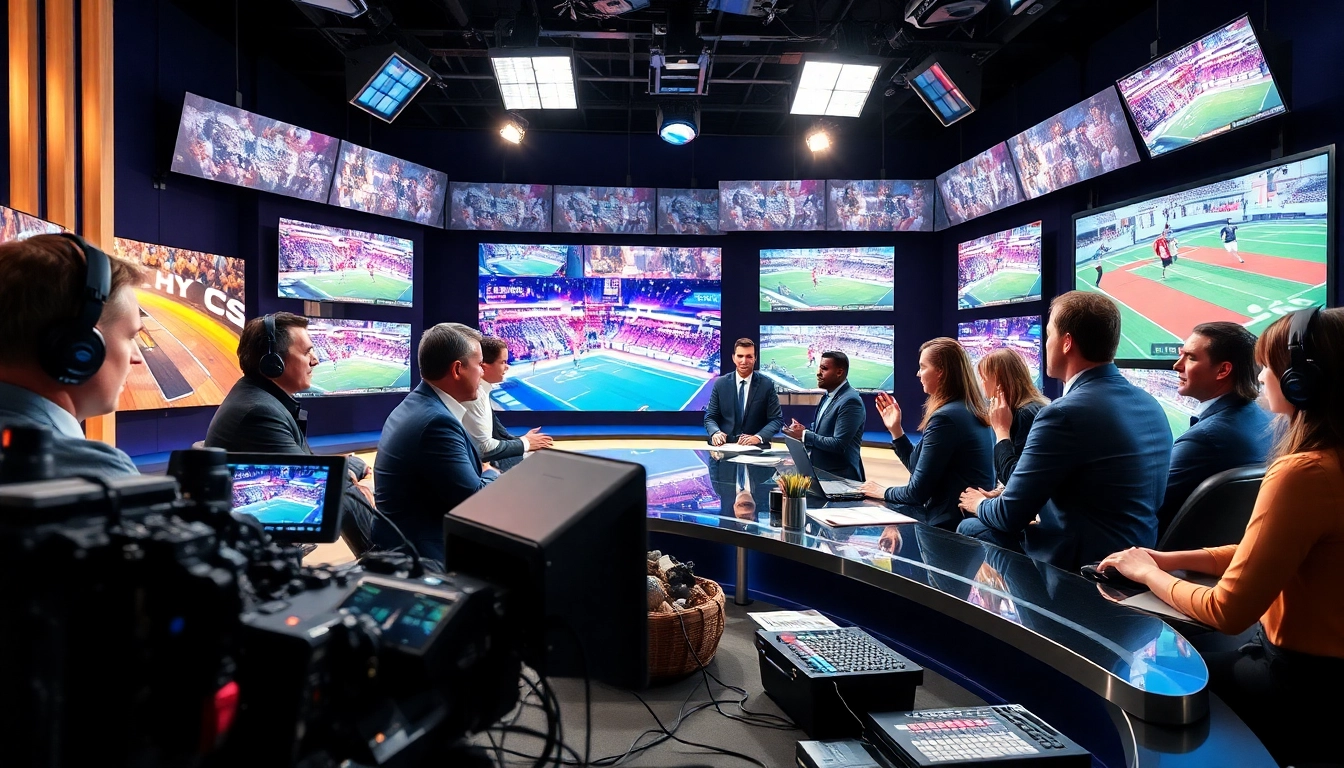
Introduction to Sports Broadcasting
Understanding Sports Broadcasting
Sports broadcasting is the delivery of sporting events and related content through various media platforms, primarily television, radio, and online streaming services. It connects fans to their favorite teams and athletes, providing real-time updates, insightful commentary, and entertaining narratives that enhance the viewing experience. As the landscape of media consumption evolves, Sports Broadcasting has also adapted to incorporate new technologies and platforms, transforming how audiences engage with sports.
The Importance of Sports Broadcasting
The significance of sports broadcasting extends beyond mere entertainment. It plays a crucial role in shaping the sports industry, generating revenue through advertisements and sponsorships, and fostering a culture of fandom. Sports broadcasts can amplify the reach of events, engaging audiences who might otherwise be disconnected from live games. Moreover, they present an opportunity for local economies, driving tourism and business in communities that host sporting events.
Key History and Evolution
The history of sports broadcasting dates back to the early 20th century, with the first radio broadcasts of sports events emerging in the 1920s. As technology advanced, television began broadcasting live sports in the 1940s and quickly became the dominant medium. The introduction of cable and satellite services in the 1980s further expanded access to sports. In recent years, digital streaming platforms have revolutionized how fans consume sports content, facilitating personalized viewing experiences and on-demand access to events.
Core Elements of Sports Broadcasting
Essential Equipment and Technology
The backbone of sports broadcasting is the array of sophisticated equipment and advanced technology employed to capture, produce, and transmit content. Essential tools include high-definition cameras, drones for aerial shots, broadcasting trucks equipped with live-editing capabilities, and state-of-the-art audio systems for clear sound quality. Additionally, graphics and data analytics technologies are integrated to provide comprehensive insights into game plays, player statistics, and real-time updates during broadcasts.
Roles and Responsibilities in Broadcast Teams
Successful sports broadcasting relies on a cohesive team of professionals, each with distinct roles. Key positions include play-by-play commentators, who narrate the game live; color analysts, offering expert insights; production staff, responsible for camera operations and editing; and technical directors, who manage the broadcast's overall visual and audio quality. Each member of the team contributes to creating an engaging and informative viewing experience for fans.
Studios vs. Remote Broadcasting Settings
Broadcasting can occur from studios or remote locations. Studio broadcasts offer a controlled environment with access to advanced resources, enabling seamless integration of various elements such as live footage, expert analysis, and interactive viewer segments. Conversely, remote broadcasts present challenges involving logistics and real-time execution, often requiring specialized equipment and quick adaptability to changing conditions. Both settings demand a high level of coordination and expertise to deliver quality sports content to audiences.
Best Practices for Engaging Content
Producing Compelling Sports Analysis
Creating compelling sports analysis requires understanding the game and presenting information in an accessible manner. Commentators should deepen insights by breaking down plays, providing context, and engaging with viewers through storytelling. Utilizing data analytics and historical comparisons can add depth to discussions, allowing viewers to appreciate the nuances of the game and connect emotionally with the sport.
Creating Interactive Viewer Experiences
To keep audiences engaged, broadcasters must harness the power of interactivity. Polls, Q&A sessions, and social media integration allow viewers to participate in the broadcast actively. Offering alternate camera angles, player tracking, and real-time statistics enhances viewer engagement by providing personalized content tailored to individual preferences. Moreover, leveraging technology such as augmented reality can create immersive experiences that captivate audiences.
Utilizing Social Media in Sports Broadcasting
Social media platforms play a vital role in sports broadcasting, facilitating engagement and broadening the audience base. Broadcasters can share highlights, behind-the-scenes footage, and live updates, encouraging fan interaction and conversations. Social media channels also provide valuable analytics that can help broadcasters understand viewer preferences and adjust their content strategies accordingly. Engaging with fans on these platforms can enhance brand loyalty and create a robust community around the broadcasted events.
Measurement and Metrics in Sports Broadcasting
Understanding Audience Engagement Metrics
To optimize the effectiveness of sports broadcasting, understanding audience engagement metrics is essential. Key indicators include viewership numbers, social media engagement levels, and audience retention rates. Advanced analytics tools can provide insights into viewer demographics, preferences, and behavior patterns, informing programming decisions and broadcast strategies. Monitoring these metrics enables broadcasters to refine content and enhance overall viewer satisfaction.
Evaluating Broadcast Success
Success in sports broadcasting can be evaluated through various metrics, such as rating points, advertising revenue, and audience feedback. Regular assessments of performance against industry benchmarks allow broadcasters to determine their standing in a competitive market. Implementing post-broadcast surveys and analyzing viewership trends can also provide insights into what resonated most with audiences, helping shape future broadcasts.
Adapting Strategies based on Metrics
Adapting strategies based on audience metrics is crucial for staying relevant in sports broadcasting. By analyzing feedback and viewership data, broadcasters can make informed decisions, such as altering programming schedules, enhancing content quality, or integrating new technologies. Continuous improvement based on quantitative and qualitative data contributes to a more engaged audience and improved broadcast performance over time.
Future Trends in Sports Broadcasting
Emerging Technologies Shaping Broadcasting
The future of sports broadcasting is heavily influenced by emerging technologies such as artificial intelligence, virtual reality, and 5G connectivity. AI can improve production efficiency, automate data analysis, and enhance personalization for viewers. Virtual reality can immerse fans in live experiences, allowing them to feel as if they are part of the event. Meanwhile, 5G technology facilitates smoother streaming and real-time interactions, revolutionizing how content is delivered.
Audience Changes and Preferences
As younger generations enter the sports viewership landscape, preferences shift towards on-demand and personalized content. Broadcasts increasingly need to cater to these preferences by providing flexible viewing options, such as catching highlights on mobile devices or streaming live events on multiple platforms. Responsiveness to audience feedback and evolving trends will be essential in meeting the dynamic expectations of contemporary sports fans.
Sustainability in Sports Broadcasting
The focus on sustainability is becoming increasingly prominent in sports broadcasting, as networks and organizations seek to minimize their carbon footprint. Innovative approaches include utilizing green technologies in production, reducing waste from events, and promoting eco-friendly initiatives through broadcasts. Sports broadcasters have the opportunity to lead by example, demonstrating how the industry can contribute positively to sustainability while still delivering captivating content.
Frequently Asked Questions
What is sports broadcasting?
Sports broadcasting is the transmission of live sporting events and related content through various media, including television, radio, and online platforms. It enhances viewer engagement by providing real-time updates and commentary.
How has technology influenced sports broadcasting?
Technology has revolutionized sports broadcasting through advanced equipment, analytics, and streaming services, enabling high-quality content production and interactive viewer experiences. Enhanced graphics and real-time data enrich broadcasts.
What are audience engagement metrics?
Audience engagement metrics are data points that measure how viewers interact with broadcasts, including viewership numbers, retention rates, and social media activity. They inform content strategies and enhance viewer experience.
How can social media be used in sports broadcasting?
Social media enhances sports broadcasting by promoting engagement, sharing highlights, and fostering fan communities. It provides real-time interactions and analytics, helping broadcasters tailor content according to audience preferences.
What trends are shaping the future of sports broadcasting?
Emerging technologies like AI, VR, and 5G connectivity are shaping the future of sports broadcasting. These innovations allow for enhanced viewing experiences, increased personalization, and sustainable practices in content delivery.