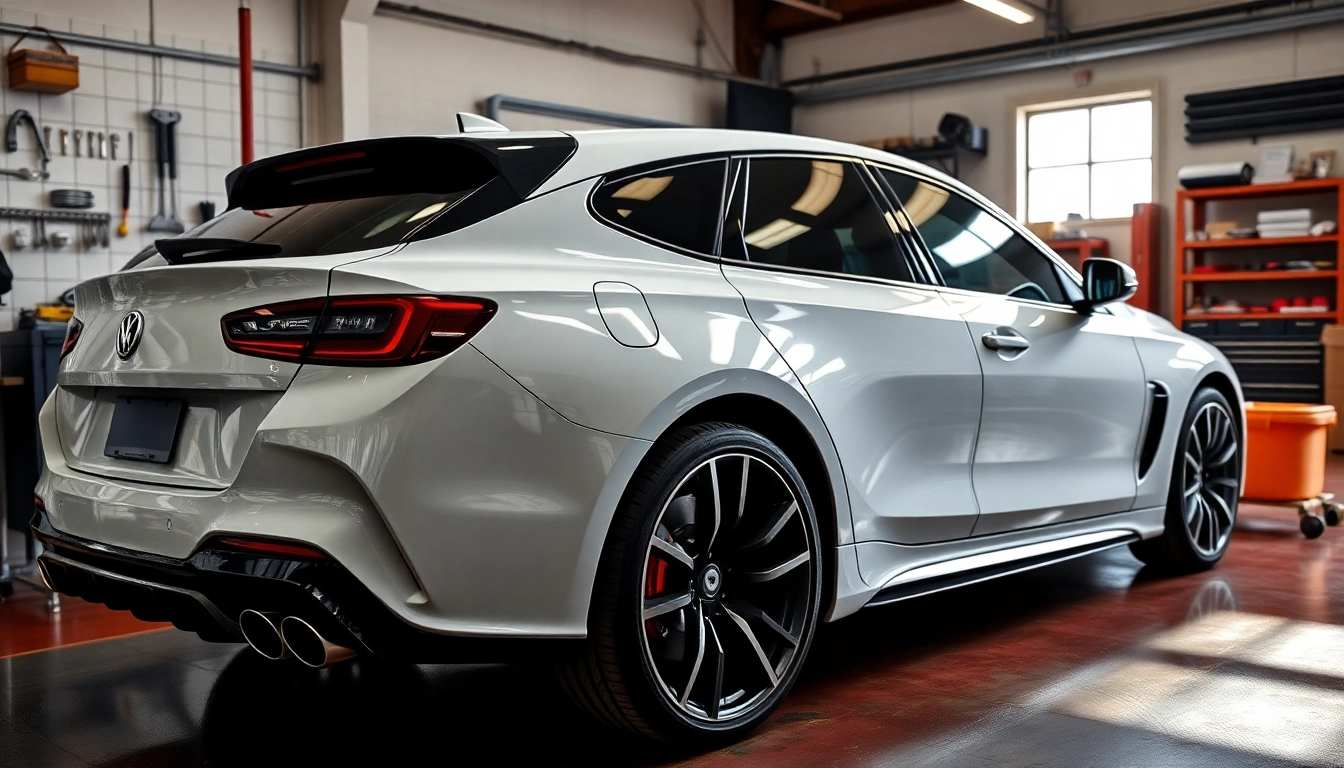
Understanding Ceramic Window Tint
What is Ceramic Window Tint?
Ceramic window tint is a sophisticated window film that uses advanced technology to provide exceptional heat and UV protection. Unlike traditional tints, which may be dyed or metalized films, ceramic window tint incorporates ceramic nanoparticles. These nanoparticles give the material unique properties, including high transparency, heat rejection, and UV blocking capabilities. This makes ceramic window tint an ideal choice for automotive, residential, and commercial applications, significantly improving occupant comfort and prolonging the lifespan of interior furnishings.
Benefits of Ceramic Window Tint
Choosing ceramic window tint offers a multitude of advantages. The benefits include:
- Heat Rejection: One of the most significant benefits is its ability to block up to 99% of harmful UV rays and a substantial portion of infrared radiation, resulting in decreased heat build-up within vehicles or rooms.
- Improved Privacy: Ceramic tint provides a level of privacy without compromising visibility. The tint allows for excellent clarity, especially at night.
- Durability: With a ceramic base, this type of film is less likely to fade or bubble over time, offering a longer lifespan than dyed or metallized films.
- Enhanced Aesthetics: Ceramic tint offers a sleek and sophisticated appearance, enhancing the overall look of any vehicle or structure.
- Reduced Glare: The film reduces glare from the sun, enhancing comfort and safety while driving or working indoors.
How Ceramic Window Tint Differs from Other Types
Ceramic window tint stands out from other types of tints such as dyed, metalized, or hybrid films. Here’s how:
- Dyed Window Film: While dyed films primarily serve cosmetic purposes and block some heat, they don’t provide significant UV protection, and their lifespan is shorter due to fading.
- Metalized Window Film: These films contain metal particles for heat rejection; however, they can interfere with electronic devices and may cause signal interference.
- Hybrid Window Film: Combining dyed and metalized traits, hybrid films improve heat rejection yet may share some of the downsides of both types.
- Ceramic Window Tint: Provides the highest levels of heat rejection and UV blocking without the disadvantages of glare, fading, or signal interference.
Choosing the Right Ceramic Window Tint
Factors to Consider When Selecting Tint
When selecting ceramic window tint, it’s essential to consider several factors to ensure you choose the right product:
- Visible Light Transmission (VLT): Decide how dark you want the tint to be; options range from almost clear to very dark. The VLT rating indicates the percentage of visible light allowed through the film.
- Heat Rejection Rating: Look for films with high infrared heat rejection ratings if heat control is a priority. This rating indicates how effectively the tint can reduce heat build-up.
- UV Protection: Ensure the tint you opt for can block a minimum of 99% of harmful UV rays to protect skin from harmful sun exposure.
- Brand Reputation: Choose products from reputable manufacturers known for quality and customer service to ensure you receive the right warranty and support.
- Installation and Maintenance: Consider whether you’ll be installing the film yourself or hiring a professional. DIY may be cost-effective but requires skill.
Types of Ceramic Window Tint Available
There are various types of ceramic window tints available on the market, catering to different needs:
- Standard Ceramic Window Film: Provides excellent UV and heat protection and is suitable for most vehicles and buildings.
- Nano-Ceramic Window Film: Offers superior performance, ideal for extreme climates with high solar exposure; it uses advanced nano-technology for enhanced durability.
- Decorative Ceramic Films: Combines the properties of ceramic films with aesthetic designs for commercial spaces, allowing creativity while maintaining functionality.
Legal Regulations for Window Tints
Before applying ceramic window tint, it is crucial to understand the legal regulations surrounding window tints in your area. Each state or country has its own laws about how dark or reflective tints can be. Key points to consider include:
- VLT Percentage: Different states have varying rules regarding minimum visible light transmission percentages for the front and rear windows.
- Reflectivity: Some regions limit the reflective qualities of window films, especially for front-side windows and windshields.
- Medical Exemptions: In some instances, those with certain medical conditions may be allowed darker tints with proper documentation.
Installation Process of Ceramic Window Tint
DIY vs. Professional Installation
The choice between DIY and professional installation will largely depend on your skills, budget, and desired results. Here’s a breakdown:
- DIY Installation: Cost-effective and can be done at your own pace. However, achieving a flawless finish requires skills and patience. It’s recommended for those with some experience in tinting.
- Professional Installation: Ensures high-quality results as experts use specialized tools and techniques. Though more expensive, it’s often worth the investment for a flawless and durable finish.
Steps for Installing Ceramic Window Tint
If you choose to install ceramic window tint yourself, follow these essential steps for the best results:
- Preparation: Clean the windows thoroughly using a glass cleaner and scrape off any old tint or residue.
- Measure and Cut: Measure the window dimensions and cut the ceramic film slightly larger than the window.
- Film Application: Spray the window and the adhesive side of the film with application solution, then place the film onto the window, allowing it to adhere.
- Smoothing Out Bubbles: Using a squeegee, smooth out bubbles starting from the center and moving outward.
- Curing: Allow the tint to cure according to the manufacturer’s instructions, ensuring it adheres properly.
Common Mistakes to Avoid
While installing ceramic window tint, there are common pitfalls to be aware of:
- Insufficient Cleaning: Failing to clean the windows adequately can lead to bubbles and imperfections.
- Incorrect Film Size: Not measuring the windows properly can result in mismatched film sizes that require redoing the process.
- Insufficient Curing Time: Removing the tint prematurely before it cures can ruin the installation.
- Ignoring Temperature Conditions: Installing the film in extreme temperatures can affect adhesion; opt for moderate conditions.
Maintaining Your Ceramic Window Tint
Cleaning Tips for Long-lasting Tint
To maintain the integrity of ceramic window tint, proper cleaning is essential:
- Use the Right Products: Always use pH-balanced cleaners or vinegar solutions to avoid damaging the tint.
- Soft Cloths: Use microfiber cloths or soft sponges—avoid rough materials that could scratch the film.
- Keep it Dry: After cleaning, ensure the windows are dried properly to prevent streak formations.
Signs It’s Time to Replace Tint
While ceramic window tint has a long lifespan, certain signs indicate it may need replacing:
- Fading: If the tint appears discolored or faded, it may no longer provide effective UV protection.
- Bubbling or Peeling: These symptoms indicate poor adhesion or damage requiring immediate replacement.
- Scratches or Damage: Any visible scratches or other damage could impact your visibility and the film’s effectiveness.
How to Improve the Lifespan of Your Tint
To prolong the life of your ceramic window tint, consider these strategies:
- Avoid Direct Sunlight: Parking in shaded areas or using sunshades can reduce direct exposure and prevent fading.
- Regular Maintenance: Clean your tints regularly, as discussed, to keep them in optimal condition.
- Avoid Abrasive Cleaners: Use only recommended cleaning products to prevent damage to the film.
Frequently Asked Questions about Ceramic Window Tint
How long does ceramic window tint last?
Ceramic window tint typically lasts anywhere from 10 to 25 years, depending on the quality of the film, installation, and maintenance practices.
Can ceramic window tint block UV rays?
Yes, ceramic window tint can block up to 99% of harmful UV rays, offering excellent protection for skin and interior furnishings.
Does ceramic window tint affect visibility at night?
High-quality ceramic window tints will not significantly affect nighttime visibility, maintaining a clear view even in low light conditions.
Is ceramic window tint worth the investment?
Yes, while more expensive upfront, the benefits regarding heat reduction, UV protection, and durability make ceramic window tint a valuable long-term investment.
Can I remove ceramic window tint myself?
While possible, removing ceramic window tint requires careful technique to avoid damaging the glass. It’s often best to consult a professional for safe removal.