Understanding Diabetes and Glucose Monitoring
Diabetes is a chronic condition that affects how the body processes glucose, an essential source of energy. Monitoring blood glucose levels is crucial for individuals diagnosed with diabetes, as it can significantly impact their overall health and quality of life. Regular glucose monitoring allows for timely adjustments in medication, diet, and lifestyle choices, ensuring optimal health outcomes. Exploring the options for a diabetes glucometer can provide comprehensive insights into managing this condition effectively.
What Is Diabetes and Why Monitoring Matters?
Diabetes is categorized primarily into three types: Type 1, Type 2, and gestational diabetes. Each type has unique characteristics and treatment requirements, but they all share a common need for careful blood sugar management. Monitoring blood glucose levels is vital as it helps individuals gauge the effectiveness of their treatment plans and make necessary adjustments. Poorly managed diabetes can lead to severe complications, including cardiovascular issues, nerve damage, and kidney failure.
Types of Diabetes: Type 1, Type 2, and Gestational
Type 1 diabetes is an autoimmune condition where the body attacks insulin-producing cells in the pancreas, leading to insulin deficiency. Individuals with Type 1 diabetes require lifelong insulin therapy. In contrast, Type 2 diabetes is often linked to lifestyle factors and usually develops in adulthood. It can sometimes be managed with lifestyle changes and oral medications, but may require insulin as the disease progresses. Gestational diabetes occurs during pregnancy and typically resolves after childbirth; however, it can increase the risk of developing Type 2 diabetes later in life.
Common Misconceptions About Diabetes Management
There are several misconceptions surrounding diabetes management. One common myth is that individuals with diabetes cannot eat sugar. While it is important to monitor carbohydrate intake, with proper management, most people with diabetes can enjoy sweets in moderation. Another misconception is that diabetes management only involves medication. In reality, a holistic approach, including diet, exercise, and regular monitoring, is crucial for effective diabetes control.
The Role of Diabetes Glucometers in Daily Management
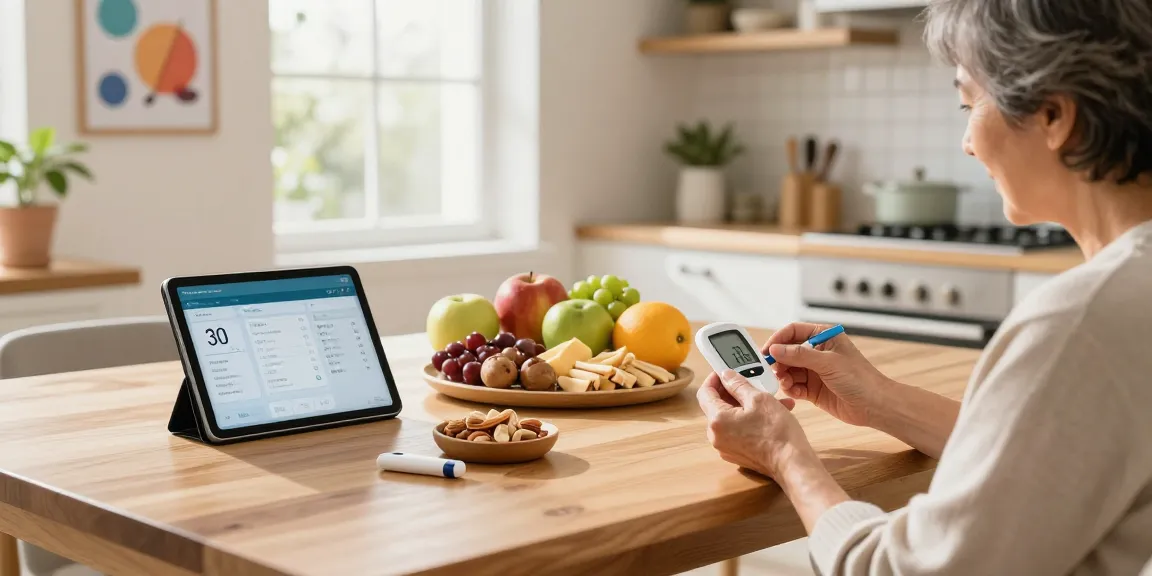
Diabetes glucometers are essential devices that allow individuals to measure their blood glucose levels quickly and easily. Understanding how these devices work, including their different types and features, can empower users to make informed choices about their diabetes management.
How Diabetes Glucometers Work: A Mechanism Overview
Glucometers operate by using a small drop of blood, usually obtained through a finger prick. The device analyzes the blood sample to provide an accurate reading of the user’s blood sugar levels. Most glucometers use enzyme reactions to measure glucose concentration, converting this data into a readable format. Modern glucometers can deliver results in under five seconds, offering convenience and immediate data for decision-making.
Different Types of Glucometers: Choosing What’s Right for You
There are various types of glucometers available, ranging from traditional fingerstick devices to advanced continuous glucose monitors (CGMs). Traditional glucometers are typically more affordable and straightforward, ideal for those who prefer simplicity. In contrast, CGMs provide real-time glucose monitoring and can alert users to fluctuations in blood sugar levels, making them suitable for individuals with more complex diabetes management needs. Selecting the right glucometer involves considering factors such as ease of use, functionality, and personal health requirements.
Best Practices for Accurate Blood Sugar Testing
To ensure accurate testing results, individuals should adhere to best practices when using glucometers. This includes washing hands before testing, ensuring that the test strips are within the expiration date, and calibrating the device as recommended by the manufacturer. Additionally, maintaining a consistent testing routine—such as testing at the same times each day—can help in accurately tracking blood glucose trends.
Top Features to Look for in a Diabetes Glucometer
Choosing a diabetes glucometer requires careful consideration of its features. With advancements in technology, many glucometers now come equipped with specialized functions that enhance usability and accuracy.
Important Features: Accuracy, Ease of Use, and Portability
Accuracy is paramount when selecting a glucometer. Look for devices that have been clinically validated and have received positive reviews regarding their precision. Ease of use is also critical—features such as larger screens, voice prompts, and user-friendly interfaces can significantly enhance the testing experience. Lastly, portability is an advantage for those who are always on the go; compact devices that are easy to carry can encourage regular monitoring.
Advanced Technology: Smart Glucometers and Mobile Integration
Smart glucometers are increasingly popular due to their ability to sync data with smartphones and other devices. This integration allows users to track their blood sugar levels over time, set reminders for testing, and share data with healthcare providers seamlessly. Many smart glucometers also offer insights and trends based on collected data, aiding users in making informed decisions about their diabetes management.
Cost Considerations and Insurance Coverage for Devices
When considering a diabetes glucometer, cost is an essential factor. While basic models are generally more affordable, advanced glucometers and their corresponding test strips can add up. It’s advisable to check insurance coverage options, as many health plans include reimbursement for glucometers and testing supplies. Understanding these costs upfront can help users make financially sound choices regarding their diabetes management tools.
Real-Life Applications: Case Studies and Success Stories
Case studies and testimonials from individuals with diabetes can provide valuable insights into the impact of regular monitoring and how glucometers play a crucial role in effective diabetes management.
Impact of Regular Monitoring on Health Outcomes
Research shows that individuals who regularly monitor their blood glucose levels experience better health outcomes compared to those who do not. For instance, a study conducted over five years found that consistent monitoring led to a significant reduction in HbA1c levels among participants, indicating better long-term glucose control. This highlights the importance of glucometers in preventing diabetes-related complications.
Testimonials from Diabetes Management Programs
Many diabetes management programs emphasize the use of glucometers and have shared testimonials from participants who successfully managed their condition through regular monitoring. One participant noted that having access to immediate blood sugar readings empowered them to make critical dietary decisions and resulted in improved energy levels and mood stability.
How Community Support Enhances Diabetes Management
The role of community support cannot be understated when managing diabetes. Support groups and online communities provide a platform for individuals to share experiences, strategies, and challenges. This shared knowledge can motivate individuals to adhere to their monitoring routines and overall treatment plans, leading to better health outcomes.
Future Trends in Diabetes Management for 2026 and Beyond
The landscape of diabetes management is continuously evolving, with significant advancements on the horizon that promise to enhance the patient experience and outcomes.
Emerging Technologies in Glucose Monitoring
By 2026, new technologies such as non-invasive glucose monitors are expected to enter the market. These devices aim to measure blood glucose levels without the need for finger pricks, enhancing convenience for users and potentially leading to more frequent monitoring.
Predictive Analytics and AI in Diabetes Care
Artificial intelligence (AI) and predictive analytics are set to revolutionize diabetes care by offering personalized insights and recommendations. These technologies can analyze a patient’s data patterns to forecast blood sugar variations, helping users to proactively manage their condition.
Legislation and Healthcare Policies Affecting Diabetes Management
As awareness of diabetes becomes more widespread, legislation surrounding healthcare policies may also evolve. Increased focus on preventive care and access to diabetes management tools could lead to better insurance coverage and affordability for patients, making it easier for individuals to obtain essential devices like glucometers.
What Are the Latest Advancements in Diabetes Glucometers?
In recent years, innovations in glucometer technology have resulted in devices that offer faster results, improved accuracy, and connectivity with mobile applications. Many newer models include features that allow for seamless data sharing with healthcare providers, ensuring comprehensive care.
How Often Should I Check My Blood Glucose Levels?
The frequency of blood glucose testing varies depending on individual treatment plans. Generally, individuals using insulin may check their levels multiple times a day, while those managing diabetes with diet and exercise may test less frequently. It’s important to consult with healthcare professionals to determine a personalized testing schedule.
What Dietary Changes Can Help Manage Diabetes Effectively?
Diet plays a crucial role in managing diabetes. Incorporating a balanced diet rich in whole grains, lean proteins, fruits, and vegetables is essential. Reducing processed foods and sugars, while focusing on portion control, can help stabilize blood sugar levels and support overall health.
Are There Any Risks Associated with Using Glucometers?
While glucometers are generally safe, improper use can lead to inaccurate results, which may impact diabetes management. Risks associated with frequent finger pricking include infection or scarring; therefore, it’s important to follow proper testing techniques and maintain hygienic practices.
What Support Options Are Available for Diabetes Management?
Support options for diabetes management are abundant. Patients can access diabetes educators, nutritionists, and healthcare providers who specialize in diabetes care. Additionally, technology-based solutions such as mobile apps and online forums can provide additional resources and community support.