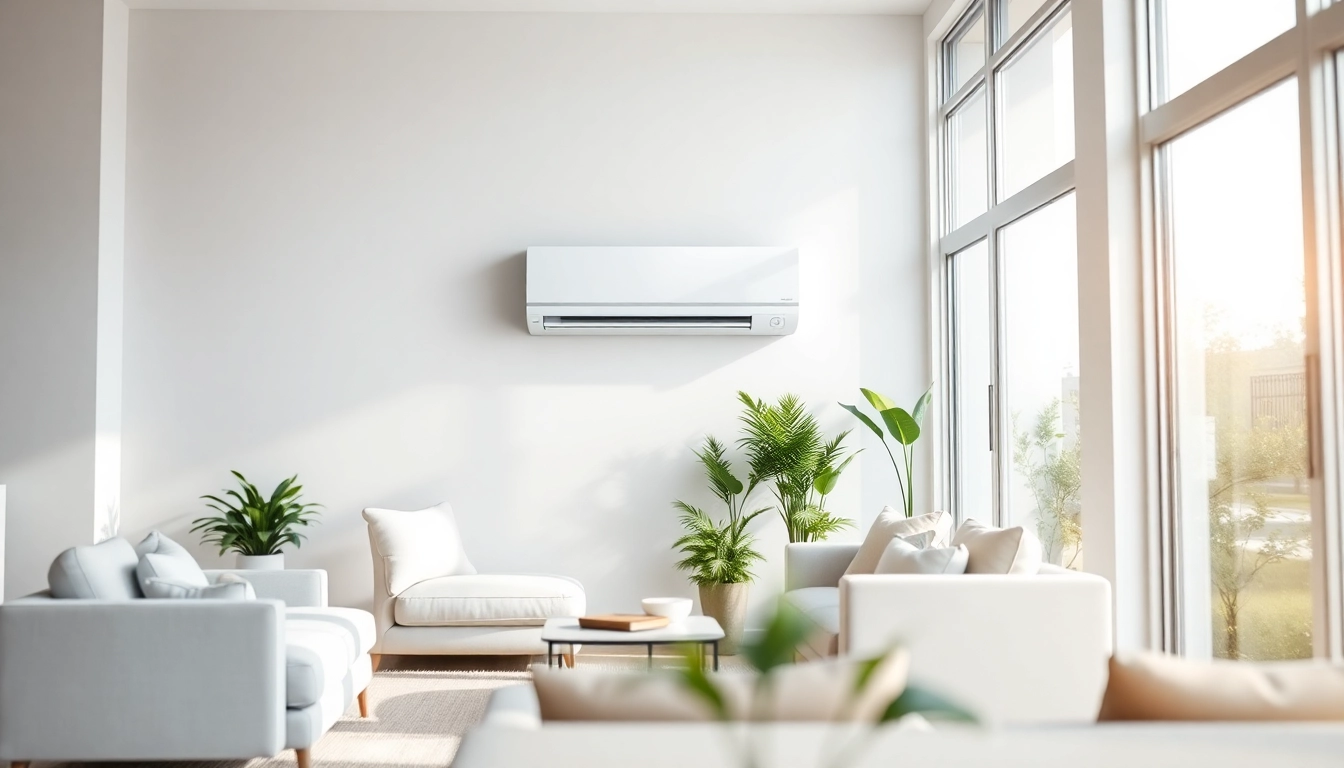
Introduction to Mitsubishi Mini Split AC
What is a Mitsubishi Mini Split AC?
Mitsubishi mini split AC systems are a type of heating and cooling system that consists of two main components: an outdoor condenser unit and one or more indoor air-handling units. These systems are designed to deliver efficient and effective cooling without the need for ductwork, making them ideal for both new constructions and homes without existing duct systems. Understanding the operation and features of mitsubishi mini split ac units empowers homeowners to make informed decisions about their climate control solutions.
Benefits of Using a Mini Split System
Mitsubishi mini split systems offer a myriad of advantages, including enhanced energy efficiency, flexibility in installation, and superior comfort control. One significant benefit is the ability to target cooling precisely where needed within a home, allowing for individualized temperature settings in different rooms. Additionally, mini splits generally have higher energy efficiency ratings compared to traditional HVAC systems, resulting in lower energy bills. Their ductless design reduces the energy losses associated with ductwork, achieving significant savings long term. Furthermore, the quiet operation of these systems ensures minimal disruption, allowing occupants to enjoy a peaceful indoor environment.
Understanding the Components of Mini Split AC
The essential components of a Mitsubishi mini split AC include the indoor unit, outdoor unit, refrigerant lines, and a remote control. The indoor unit is responsible for distributing cool or heated air throughout the space, while the outdoor unit houses the compressor, which cycles refrigerant to facilitate heat exchange. The refrigerant lines connect the two units, allowing for efficient heat transfer. Controls, often through a handheld remote or wall-mounted unit, provide users with the ability to adjust settings easily, including temperature and fan speed. Understanding these components helps users appreciate the system’s functionality and performance capabilities.
How to Choose the Right Mitsubishi Mini Split AC
Assessing Your Cooling Needs
When selecting a Mitsubishi mini split AC system, it is crucial to assess your specific cooling needs. Factors such as the size of the space, the number of rooms being serviced, and local climate conditions play a significant role in determining the appropriate capacity and model. To accurately assess your needs, start by measuring the square footage of the area you intend to cool. HVAC professionals often use BTUs (British Thermal Units) to denote cooling capacity, and a unit’s BTU rating should align with your room size for optimal performance. An undersized unit may lead to insufficient cooling, while an oversized unit can result in inefficiency and inconsistent temperatures.
Key Features to Look For
While exploring Mitsubishi mini split options, look for features that enhance functionality, convenience, and comfort. Some pivotal features to consider include inverter technology, which allows for variable speed control and improved energy efficiency. Additionally, consider models with smart home compatibility for seamless integration with your home automation system. Look for systems that offer advanced filtration options, such as HEPA filters, which can significantly improve indoor air quality. Other beneficial features include multi-zone capabilities, programmable timers, and remote temperature sensing to enhance ease of use.
Comparing Energy Efficiency Ratings
Energy efficiency is a critical factor when selecting a mini split system. Look for units with high SEER (Seasonal Energy Efficiency Ratio) ratings, which indicate superior cooling efficiency. Higher SEER ratings often translate to lower energy consumption, thus reducing operational costs. For instance, a system with a SEER rating of 20 or more is considerably more efficient than one with a rating below 15. Understanding these ratings can assist consumers in comparing different models and making energy-conscious purchasing decisions, ultimately leading to substantial savings on electricity bills.
Installation Process for Mitsubishi Mini Split AC
Preparation Before Installation
Preparing for the installation of a Mitsubishi mini split AC involves several stages. Start by selecting the ideal location for both the indoor and outdoor units, ensuring that the outdoor unit has ample clearance for airflow. Evaluate electrical requirements and support for mounting brackets. Additionally, consider hiring a certified HVAC technician to handle the installation, as incorrect placement or setup can lead to inefficiencies or operational issues. Prior planning and professional insight can save time and headaches during the installation process.
Step-by-Step Installation Guide
The installation of a Mitsubishi mini split AC typically follows these steps:
- Mount the Indoor Unit: Use a wall bracket to secure the indoor unit at an appropriate height, ideally around 7 feet off the floor for optimal air distribution.
- Install the Outdoor Unit: Position the outdoor unit on a solid, level surface, allowing for airflow and accessibility.
- Connect Refrigerant Lines: Run the refrigerant lines from the outdoor unit to the indoor unit, ensuring no sharp bends that could obstruct flow.
- Install Electrical Wiring: Connect the indoor and outdoor units to your home’s electrical system, following local electrical codes.
- Vacuum the System: Remove air and moisture from the system using a vacuum pump to ensure efficiency.
- Test the System: Once everything is connected, turn on the system to ensure optimal operation and adjust settings as needed.
Common Installation Challenges and Solutions
While installing a Mitsubishi mini split AC system, you may encounter challenges. One common issue is improper refrigerant levels, leading to inefficient cooling. It’s essential to ensure you accurately measure and set the refrigerant during installation. Another frequent problem is inadequate drainage from the indoor unit, which can cause water leaks. Ensure the drain line is properly sloped to facilitate effective drainage. Finally, if the system isn’t configured correctly, it may lead to erratic temperature control—ensuring professional installation reduces these risks and enhances system performance.
Maintenance and Troubleshooting Tips
Routine Maintenance for Optimal Performance
Routine maintenance of your Mitsubishi mini split AC is crucial for ensuring optimal performance and longevity. Regularly clean or replace the filters, as dirty filters can restrict airflow, reducing efficiency and air quality. It’s also advisable to schedule annual professional maintenance checks, where a technician can assess refrigerant levels, inspect the electrical components, and clean the coils. Additionally, keep the outdoor unit clear of debris to prevent airflow obstruction and improve unit efficiency.
Troubleshooting Common Issues
Occasionally, mini split systems may experience issues. Common problems include uneven cooling, unusual noises, or inefficient operation. If you notice uneven cooling, ensure that all indoor units are operational and that air filters are clean. Unusual noises may indicate loose components or a malfunctioning fan; in such cases, it’s advisable to consult with a technician. For an overall drop in efficiency, check the refrigerant levels and inspect the system for any visible damage or leaks that may require professional attention.
When to Seek Professional Help
While many maintenance tasks can be done independently, certain situations warrant professional intervention. If the system is not cooling effectively despite performing routine checks, if you notice any refrigerant leaks, or if the system presents any mechanical issues, it’s best to call a qualified HVAC technician. Attempting to resolve complex issues without professional knowledge can lead to further damage or incorrect repairs.
Cost and Efficiency of Mitsubishi Mini Split AC
Understanding Initial Investment vs Long-Term Savings
When considering a Mitsubishi mini split AC, it’s essential to weigh the initial investment against long-term savings. While the cost of installing a new mini split system can be higher than traditional HVAC options upfront, the energy efficiency and operational savings often make it a worthwhile investment. Factors such as lower energy bills, potential rebates for energy-efficient appliances, and the reduced need for maintenance costs over time contribute to a favorable cost-benefit ratio.
Financing Options for Installation
Many homeowners may find the upfront costs daunting, but several financing options are available. These can include home improvement loans, credit cards specific for home-related purchases, or financing through HVAC vendors. Checking financing options that offer flexible payment plans or zero-interest offers can make the initial costs more manageable, allowing for easier access to quality cooling systems without financial burden.
Comparing Costs with Other Cooling Options
When comparing the costs of Mitsubishi mini split AC systems with other cooling options, several factors must be considered. Central air conditioning can have higher installation costs and energy consumption compared to mini splits due to ductwork installation and maintenance. Window units may appear cheaper initially but can lead to higher energy costs and often lack the efficiency and comfort of mini splits. Evaluating the total costs associated with installation, operation, and potential repairs will give a clearer picture of the best investment for your needs.
FAQs
What is the average lifespan of a Mitsubishi mini split AC?
With proper maintenance, a Mitsubishi mini split AC can last around 15-20 years, making it a durable choice.
How does energy efficiency impact my electricity bill?
Energy-efficient Mitsubishi mini split AC units use less power, which can significantly lower your electricity costs over time.
Can I install a Mitsubishi mini split AC myself?
While DIY installation is possible, hiring a professional ensures correct setup and maximizes efficiency and warranty coverage.
What features enhance comfort in a Mitsubishi mini split AC?
Features like multi-zone cooling, quiet operation, and programmable settings provide tailored comfort for individual needs.
How often should I service my Mitsubishi mini split AC?
Regular servicing every 6-12 months helps maintain efficiency and prolongs the life of your Mitsubishi mini split AC.