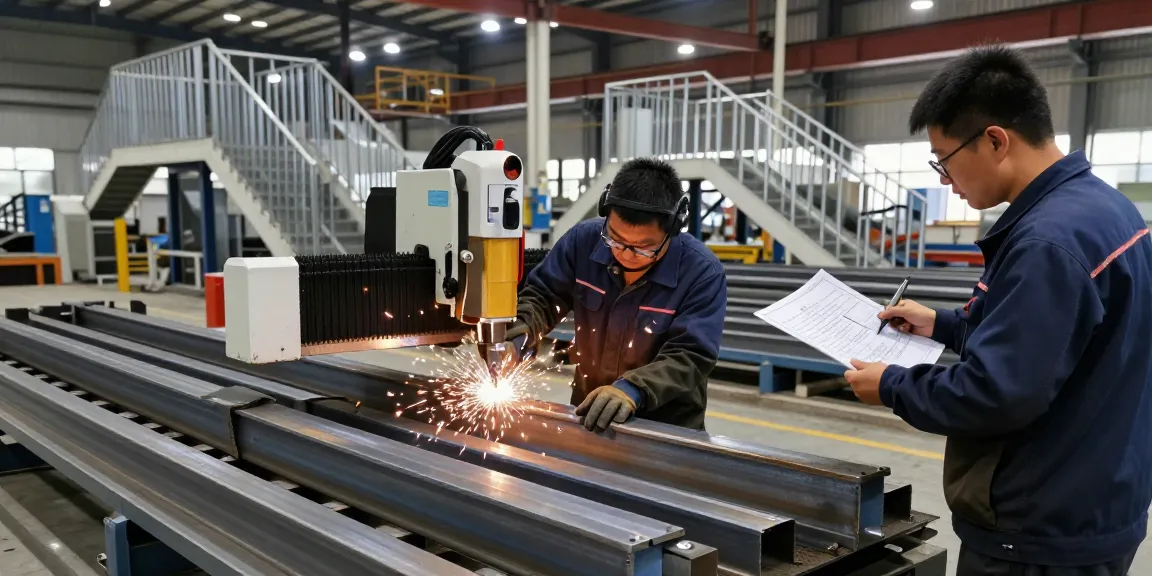
Understanding Manufacturing Scheduling Software
What is Manufacturing Scheduling Software?
Manufacturing scheduling software is a specialized tool designed to optimize and manage production processes within manufacturing facilities. It serves as a digital platform to plan, schedule, and track manufacturing operations, ensuring that resources are utilized effectively. By integrating data from various sources—such as inventory levels, labor capacities, and machine availability—this software helps manufacturers streamline workflows, reduce downtime, and enhance overall productivity. In an increasingly competitive market, utilizing Manufacturing scheduling software can lead to significant operational improvements.
Key Features of Manufacturing Scheduling Software
Manufacturing scheduling software offers a wide range of functionalities aimed at enhancing manufacturing operations. Key features include:
- Resource Allocation: Efficient management of human resources, machinery, and materials ensures that production runs smoothly.
- Real-time Scheduling: Immediate adjustments to schedules based on changing demand or disruptions allow manufacturers to remain agile.
- Gantt Charts: Visual representations of production schedules enable teams to see timelines and overlapping tasks at a glance.
- Performance Tracking: Continuous monitoring of productivity metrics helps in identifying areas for improvement.
- Reporting Tools: In-depth analytics and reports enable data-driven decision-making regarding production efficiencies and bottlenecks.
Benefits of Implementing Manufacturing Scheduling Software
Implementing manufacturing scheduling software offers numerous benefits that can positively impact your organization:
- Increased Efficiency: By automating scheduling tasks and reducing manual errors, production efficiency significantly improves.
- Cost Reduction: Enhanced management of resources leads to lower operational costs and minimized waste.
- Enhanced Flexibility: Quick response to market changes or production bottlenecks allows manufacturers to remain competitive.
- Improved Communication: Centralized information facilitates better collaboration among teams, reducing the likelihood of miscommunication.
- Long-term Planning: Advanced forecasting tools enable manufacturers to plan for future demands accurately.
Choosing the Right Manufacturing Scheduling Software
Factors to Consider When Selecting Software
Choosing the right manufacturing scheduling software is crucial for ensuring a successful implementation. Key factors to consider include:
- Scalability: The software should be scalable to support your company’s growth and changing production needs.
- Integration Capabilities: Evaluate how well the software integrates with your existing systems and technology.
- User Experience: A user-friendly interface can significantly enhance team adoption and usability.
- Customization: Determine if the software can be tailored to meet your specific manufacturing processes and requirements.
- Support and Training: Reliable customer support and comprehensive training materials are essential for effective use.
Comparative Analysis of Popular Solutions
When evaluating different manufacturing scheduling solutions, conducting a comparative analysis can be beneficial. Look for:
- Feature Sets: Compare the core functionalities offered by each software.
- Pricing Plans: Analyze the cost-effectiveness relative to the features provided.
- User Feedback: Assess feedback from current users regarding performance and support.
- Trial Opportunities: Many providers offer free trials that can help you assess functionality in real-time.
Reading User Reviews and Testimonials
User reviews and testimonials are invaluable resources when selecting manufacturing scheduling software. Pay attention to:
- Specific Use Cases: Look for testimonials that highlight how the software solved specific challenges.
- Long-Term Performance: Consider reviews that discuss long-term usability and customer satisfaction.
- Response to Issues: Assess how quickly providers respond to support inquiries and software-related issues.
Implementing Manufacturing Scheduling Software
Steps for Successful Implementation
Successfully implementing manufacturing scheduling software requires a structured approach:
- Define Objectives: Clearly outline what you hope to achieve with the software.
- Gather Stakeholder Input: Involve team members across departments for comprehensive insights.
- Data Migration: Transfer existing production data accurately into the new system.
- Customization: Adjust the software settings to meet your specific requirements.
- Testing: Conduct thorough testing to identify potential issues before full deployment.
- Go Live: Implement the software and monitor usage closely during the transition period.
Integrating with Existing Systems
Integration with existing systems is crucial for maximizing the effectiveness of manufacturing scheduling software. Consider:
- API Connectivity: Ensure the software can connect to other systems, such as ERP or inventory management tools, through APIs.
- Data Compatibility: Confirm that data formats align to avoid complications during integration.
- Timely Updates: Facilitate regular updates so integrated systems work seamlessly and data remains current.
Training Your Team on the New System
Training is essential for ensuring that your team can effectively utilize the new manufacturing scheduling software:
- Develop Training Programs: Tailor training to meet the specific needs of various user roles.
- Utilize Vendor Resources: Many software vendors provide training materials and support.
- Encourage Ongoing Learning: Consider regular refresher courses as features evolve or updates occur.
Maximizing Efficiency with Advanced Features
Real-time Monitoring and Adjustments
Real-time monitoring is a powerful feature found in many manufacturing scheduling software platforms. It enables:
- Immediate Data Access: Managers can access production data instantly to make informed decisions.
- Dynamic Rescheduling: Prompt adjustments can be made based on unexpected changes in demand or resource availability.
Utilizing Data Analytics for Decision Making
Advanced data analytics tools can significantly enhance decision-making processes. Benefits include:
- Predictive Analytics: Forecasting tools can predict future production demands based on historical data trends.
- Performance Analysis: Accessing real-time analytics can help identify underperforming areas in the production process.
Mobile Solutions for Remote Access
In today’s mobile environment, accessing manufacturing scheduling software remotely can drive agility. Key advantages include:
- Monitoring from Anywhere: Managers can track production flows irrespective of their location, enhancing decision-making speed.
- On-the-go Adjustments: Users can make adjustments to schedules or resource allocations directly from their mobile devices.
Measuring the Impact of Manufacturing Scheduling Software
Key Performance Indicators to Track
Measuring the impact of manufacturing scheduling software involves tracking several key performance indicators (KPIs):
- Production Efficiency: Measure output relative to input to gauge overall productivity.
- On-Time Delivery Rates: Track how often production deadlines are met to understand scheduling accuracy.
- Downtime Analysis: Understanding the reasons for downtime can highlight areas for improvement.
Common Challenges and Solutions
Implementing manufacturing scheduling software can present challenges, but many have solutions:
- Resistance to Change: Facilitate open discussions to address concerns and highlight benefits.
- Data Integration Issues: Work closely with vendors to ensure a smooth data migration process.
- Training Difficulties: Offer varied training formats such as in-person, webinars, and documentation to accommodate different learning styles.
Long-term Benefits of Investing in Software
Investing in manufacturing scheduling software can yield long-term benefits, including:
- Sustained Improvements in Efficiency: Over time, the optimization of production processes leads to lasting gains.
- Increased Competitive Edge: Manufacturers can respond more quickly to market demands, allowing for growth and sustainability.
- Better Resource Management: Continuous monitoring leads to long-term cost savings through optimized resource utilization.
Frequently Asked Questions
1. What industries benefit from manufacturing scheduling software?
Manufacturing scheduling software is beneficial across various industries, including automotive, electronics, food and beverage, textiles, and pharmaceuticals, enhancing efficiency and productivity.
2. How can performance metrics be effectively tracked?
Performance metrics can be tracked by utilizing built-in reporting features of the software, which provide real-time insights on production efficiency, downtime, and resource utilization.
3. Is training required for all staff members?
While not all staff may need in-depth training, key personnel should receive comprehensive training to ensure effective usage of the software and maximize its benefits.
4. What is the typical implementation time for manufacturing software?
Implementation time can vary based on the size of the organization and software complexity but usually ranges from a few weeks to several months, including testing and adjustments.
5. Can manufacturing scheduling software integrate with existing tools?
Yes, most manufacturing scheduling software is designed to integrate seamlessly with existing tools and systems like ERP and inventory management, ensuring smooth operations.