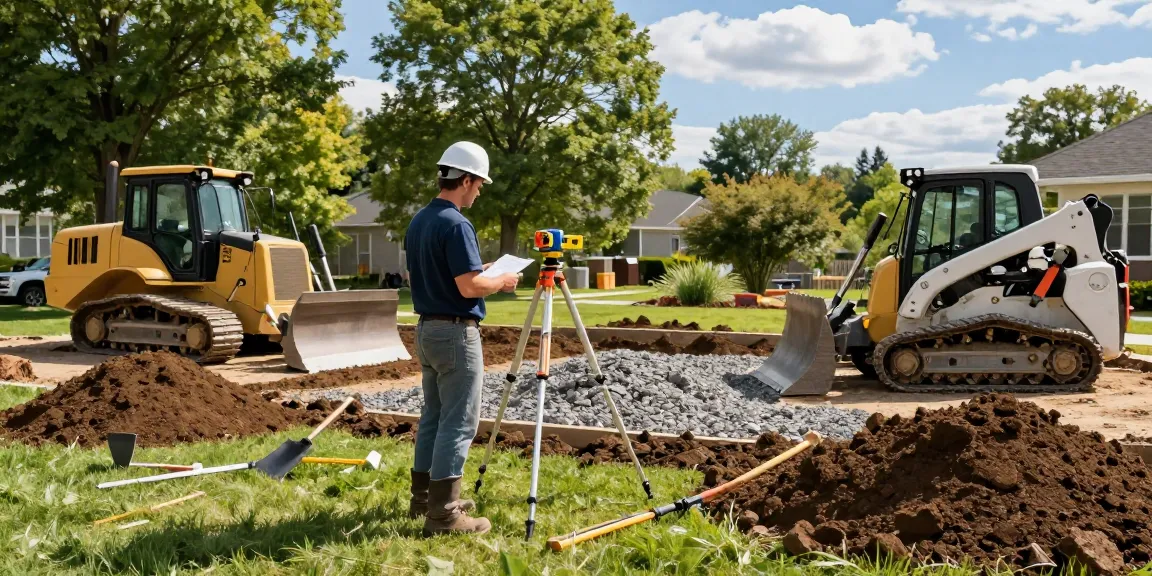
Understanding Grading in Ottawa
Grading is a crucial aspect of landscape development and construction, particularly in urban areas like Ottawa. Proper grading not only enhances the aesthetic appeal of properties but also plays a key role in preventing water accumulation and erosion. Given the unique terrain and climate of the region, understanding local grading practices is essential for homeowners and contractors alike. When exploring options, grading ottawa provides comprehensive insights into best practices and resources available for effective grading projects.
What is Grading and Why is it Important?
Grading refers to the process of leveling or sloping the terrain of a property to ensure proper drainage and stability. The importance of grading cannot be overstated; it significantly affects how water flows around a structure, which impacts erosion, landscaping, and the overall integrity of the foundation. In Ottawa, where precipitation can be abundant, effective grading techniques are vital to mitigate flooding and protect property values.
Common Grading Techniques Used in Ottawa
Several grading techniques are commonly employed in Ottawa. Some of these include:
- Cut and Fill Grading: This method involves excavating earth from high areas and transferring it to lower areas to create a level surface.
- Sloping: Gradual slopes are created to facilitate water drainage away from buildings and prevent pooling.
- Swales: Shallow, vegetated channels that direct water runoff efficiently.
Each technique has its advantages depending on the specific needs of a property, making it essential for landowners to consult with professionals before beginning a grading project.
Understanding Local Regulations and Guidelines
Before undertaking any grading work in Ottawa, it’s critical to be aware of local regulations and guidelines. These rules are designed to ensure that grading projects do not negatively impact neighboring properties or local ecosystems. Property owners should consult the City of Ottawa’s official guidelines and potentially seek permits, especially for larger projects that might require environmental assessments.
Preparing for a Grading Project
Assessing Your Property’s Needs and Challenges
The first step in any grading project is a comprehensive assessment of the property. This includes evaluating the current topography, identifying drainage patterns, and recognizing any existing issues such as erosion or flooding. Homeowners in Ottawa should also consider the soil composition, as different types of soil may require different grading techniques.
Tools and Equipment for Efficient Grading
Having the right tools and equipment is essential for successful grading. Common tools include:
- Excavators: To dig and move large volumes of soil.
- Bulldozers: For leveling ground and creating slopes.
- Grading Rakes: Used for fine grading and finishing surfaces.
Investing in quality equipment can enhance efficiency and ensure that the grading is performed correctly, resulting in a smoother surface suitable for landscaping or building.
Finding Qualified Grading Contractors in Ottawa
Engaging a qualified grading contractor can significantly improve the success of a grading project. When searching for contractors in Ottawa, consider their experience, client reviews, and portfolio of past projects. It’s advisable to ask for references and check their credentials to ensure they are licensed and insured to work in your area.
Best Practices for Grading
Techniques for Effective Soil Management
Effective soil management is key to maintaining the integrity of a grading project. Techniques such as soil compaction and amendment can enhance soil stability and promote healthy drainage. Understanding the soil type and its characteristics will inform the grading techniques used, leading to better long-term outcomes.
Ensuring Proper Drainage and Erosion Control
To prevent water retention and erosion, it’s essential to incorporate proper drainage systems during grading. This might include installing French drains, creating swales, or utilizing permeable materials in driveways and paths to allow for better water infiltration. Regular maintenance of these systems is also necessary to ensure they function effectively over time.
Environmental Considerations in Grading
Environmental stewardship should be a priority in any grading project. Consider using sustainable practices such as planting grass or native vegetation in disturbed areas to prevent erosion. Additionally, utilizing recycled materials for grading can minimize waste and reduce environmental impact.
Case Studies: Successful Grading Projects in Ottawa
Residential Grading Innovations and Techniques
There have been numerous successful residential grading projects in Ottawa that highlight innovative techniques. For example, a recent project involved the use of contour grading around a property, which not only improved the aesthetics but also enhanced water drainage, significantly reducing flooding during heavy rainfall.
Commercial Grading Success Stories
On the commercial front, businesses in Ottawa have also benefited from well-executed grading projects. A notable case involved the development of a new retail space where grading was crucial for establishing parking lots that efficiently managed rainwater runoff, thus helping to mitigate environmental impact while ensuring compliance with local regulations.
Lessons Learned from Recent Projects
One key takeaway from recent grading projects is the importance of thorough planning and compliance with local regulations. Projects that faced delays often did so due to insufficient assessments or oversight regarding permits. These lessons highlight the need for diligent preparation and selecting the right professionals to navigate local guidelines effectively.
Future Trends in Grading for Ottawa
Emerging Technologies in Grading
The grading industry is witnessing the incorporation of new technologies such as GPS and laser grading systems, which enhance precision and efficiency in grading practices. These technologies minimize human error and ensure that grading meets the specific requirements for drainage and design.
Sustainable Grading Practices for 2026 and Beyond
As environmental concerns continue to grow, sustainable grading practices will become increasingly important. Future projects may emphasize the use of eco-friendly materials and methods, such as bioretention cells that naturally filter and manage stormwater.
Preparing for Climate Change Impacts on Grading
Climate change is likely to impact grading practices, necessitating adaptations to manage increased rainfall and extreme weather conditions. Developing flexible grading solutions that can accommodate these changes will be essential for property owners and contractors alike.
What factors affect grading costs in Ottawa?
Several factors influence grading costs in Ottawa, including property size, soil type, complexity of the grading required, and any additional features such as drainage systems. Understanding these factors can help homeowners budget more effectively for their projects.
How can I avoid common grading mistakes?
Common mistakes in grading projects can often be avoided by conducting thorough research and involving professionals early in the planning process. Ensuring proper drainage before beginning work is crucial to avoiding future issues.
What tools are essential for grading projects?
Essential tools for grading projects include excavators, bulldozers, and grading rakes, among others. These tools not only facilitate the grading process but also ensure precision and efficiency.
Are there permits required for grading work?
Yes, in Ontario including Ottawa, specific permits are often required for grading work, especially if it involves significant changes to the landscape. Consult with local authorities to ensure compliance with regulations.
How to evaluate contractor credentials for grading projects?
When evaluating contractors, look for their licensing, insurance, and past project portfolios. Client reviews and recommendations can also provide valuable insights into their reliability and expertise.